If you’ve replaced a compressor, or you’re closing or reorganising a site, the old unit is probably sitting in the plant room taking up space. The obvious question is what it’s worth.
The honest answer is that it depends, and two compressors of the same model can be worth very different amounts. This guide explains what buyers look at, so you know what to expect and how to get the best price.
Why there’s no fixed price for a used compressor
Unlike cars, there’s no published price guide for used industrial compressors. Each one is priced on its own condition and history, and on what the buyer can resell it for. A well-serviced 30kW screw compressor with sensible hours can be worth several times more than the same model that’s been run hard and neglected.
The 7 things that decide your compressor’s value
1. Brand and model
Well-known brands such as Atlas Copco, CompAir, Kaeser, Ingersoll Rand and Boge are easier to resell because parts and service support are widely available. Current or recent models are worth more than discontinued ones with limited parts supply.
2. Power rating and output
Compressors are usually described by motor power (kW) and air output (often in cfm or m³/min) at a set pressure (bar). Mid-range sizes used by most factories and workshops tend to sell most easily. Very large units have fewer potential buyers, so demand matters as much as size.
3. Running hours and loaded hours
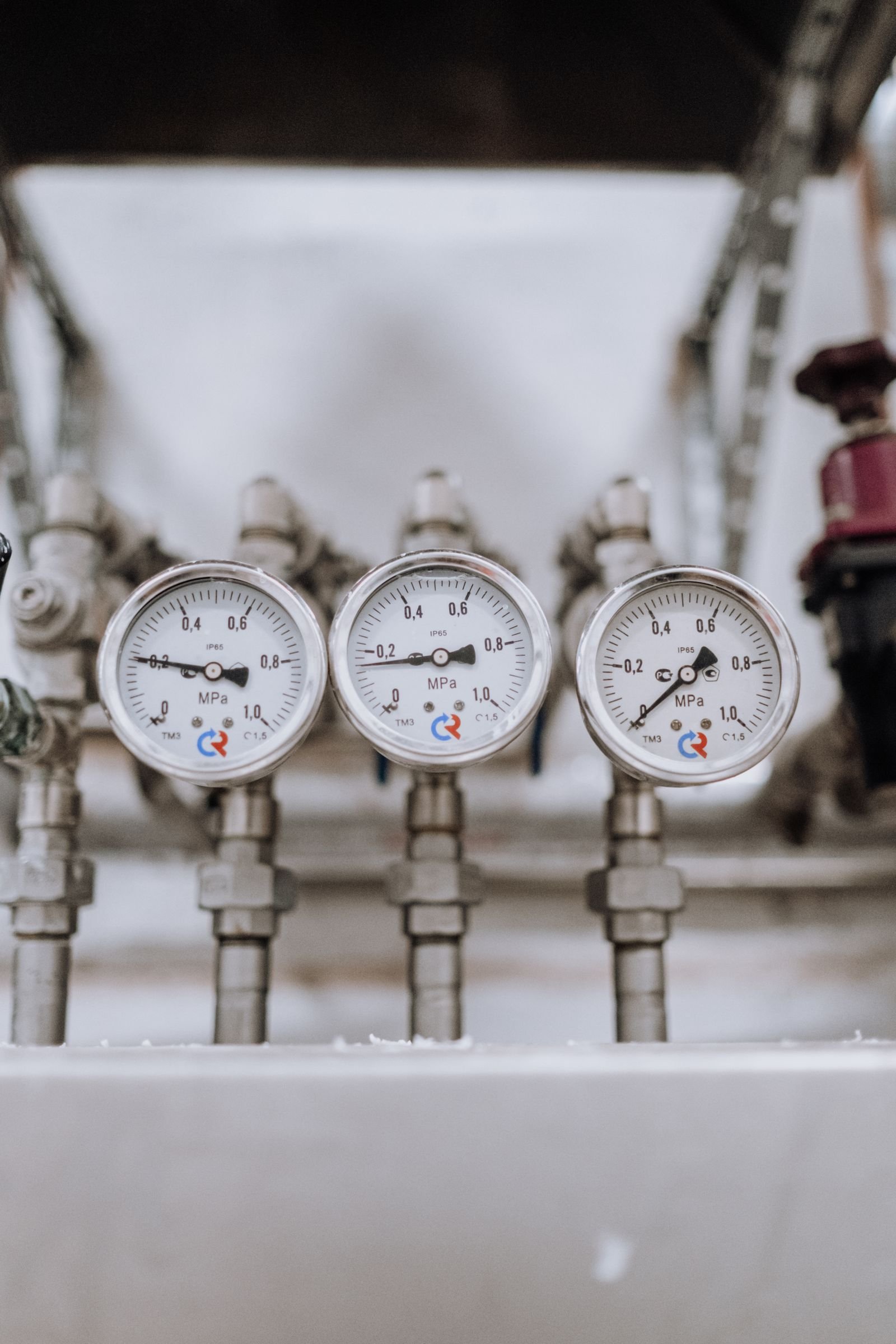
Most screw compressors show two figures on the controller: total running hours and loaded hours (the time it was actually producing air). Low hours for its age is a good sign. Buyers also look at the ratio between the two: a unit that spent most of its time loaded has worked harder than one that idled a lot.
4. Fixed speed or variable speed drive (VSD)
Variable speed drive compressors adjust motor speed to match air demand, which can save energy on sites with changing demand. That makes them popular, and well-maintained VSD units often hold their value better than older fixed-speed machines.
5. Service history
Oil-injected screw compressors need regular oil, filter and separator changes at intervals set by the manufacturer. A unit with a clear service record is less of a risk for the next owner. If the airend has been overhauled recently, say so, as it can add real value.
6. Condition
Buyers want to know whether it runs, builds pressure and holds it without alarms. Oil leaks, high-temperature trips, noisy bearings or a damaged canopy all reduce the price. Be upfront about faults; it saves renegotiation later.
7. Ancillaries and paperwork
An integrated dryer, a matched air receiver or filters can add to the offer. For air receivers, records under the Pressure Systems Safety Regulations, such as the written scheme of examination and recent inspection reports, make the equipment easier to resell.
Value factors at a glance
| Factor | Good for value | Bad for value |
|---|---|---|
| Brand | Major brand, current model | Rare or discontinued |
| Hours | Low for its age | Very high, or unknown |
| Drive | VSD | Large, old fixed speed |
| Service | Full records, recent airend work | No records, overdue |
| Condition | Runs cleanly, no alarms | Leaks, trips, damage |
| Extras | Dryer, receiver with paperwork | Missing parts |
Screw vs piston: which is worth more?
Rotary screw compressors usually have higher resale values than piston (reciprocating) compressors of the same age, because they’re designed for continuous industrial use and are in steady demand. Piston compressors still sell, especially good two-stage units from known brands, but expect lower figures.
What if my compressor doesn’t work?
A faulty compressor is still worth something. If the fault is repairable, such as a failed motor, a controller problem or a worn airend, a buyer may price it for repair. If it’s beyond economic repair, it can be broken for parts or sold as scrap. Our guide to scrap compressor prices explains how that works.
How to get an accurate valuation
- Photograph the data plate, showing make, model, serial number and year.
- Photograph the controller screen, showing running and loaded hours.
- Take photos of the whole unit from the front and side, with the canopy open if possible.
- Gather service records if you have them.
- Note any faults or alarms, even if you’re not sure what they mean.
- Describe the access: plant room, stairs, loading bay, and whether it’s still installed.
With these, a specialist buyer can usually give you a firm price quickly. You can sell your industrial air compressor to us and get a valuation, usually within 24 hours.
Frequently asked questions
Is it worth selling an old air compressor?
Usually, yes. Even older units have resale, parts or scrap value, and selling one frees up space and saves you paying for disposal.
Where do I find the running hours on my compressor?
On most screw compressors, the hours are on the controller display, often in a service or info menu. Older units may have a separate hour meter on the panel.
Does a VSD compressor sell for more?
Often, yes. Variable speed drive units are popular because they can reduce energy use, so well-maintained ones tend to hold their value well.
Should I service my compressor before selling it?
Not usually. Sell it as it is, with any service records you have. The cost of a service rarely adds the same amount to the price.
Find out what your compressor is worth
Send us a photo of the data plate and the hours. See how we buy industrial air compressors, or visit our sell your compressor homepage.
Selling a diesel site compressor instead? Read what affects the price of a diesel compressor.