Diesel compressors work hard. They’re towed between sites, left out in all weathers and run for long hours powering breakers, drills and blasting kit. When it’s time to replace one, or a contract ends and you’ve got surplus units in the yard, you’ll want to know what they’re worth.
This guide explains what buyers look at when they price a used diesel compressor, and how to sell yours quickly.
The factors that affect the price
Engine hours
The hour meter tells a buyer how much life the engine and airend have left. Lower hours mean a higher price, but high hours don’t rule a unit out, especially if it’s a popular model with a good service record.
Output: cfm and pressure
Diesel compressors are usually described by air output (cfm or litres per second) and working pressure (bar). Common sizes used to run one or two breakers are always in demand. Large, high-pressure units for drilling or piling have a smaller market, so their price depends more on who needs them.
Brand and model
Well-known brands such as Atlas Copco, Doosan, CompAir, Kaeser and Sullair are easier to resell because parts are widely available and buyers trust them.
Engine emissions stage
Newer compressors have engines that meet stricter emissions standards for non-road mobile machinery. These are easier to sell in the UK and Europe, especially for work on sites with emissions rules. Older engines still sell, but often to export markets at lower prices.
Chassis and bodywork
For road-tow units, buyers check the brakes, lights, tyres, hitch, jockey wheel and canopy. Rust, dents and missing panels reduce the price, and so does a chassis that isn’t safe to tow.
Service history and running condition
Does it start easily, build pressure and hold it without warning lights? Clean oil, regular servicing and a record of work done all give buyers confidence.
Price factors at a glance
| Factor | Raises the price | Lowers the price |
|---|---|---|
| Engine hours | Low for its age | Very high or unknown |
| Output | Popular breaker and tool sizes | Unusual sizes with few buyers |
| Emissions | Newer, compliant engines | Older engines |
| Chassis | Roadworthy, good tyres and lights | Damaged, rusty, unsafe to tow |
| Running | Starts, builds and holds pressure | Non-runner or warning lights |
| Records | Full service history | No records |
Why emissions rules matter in London
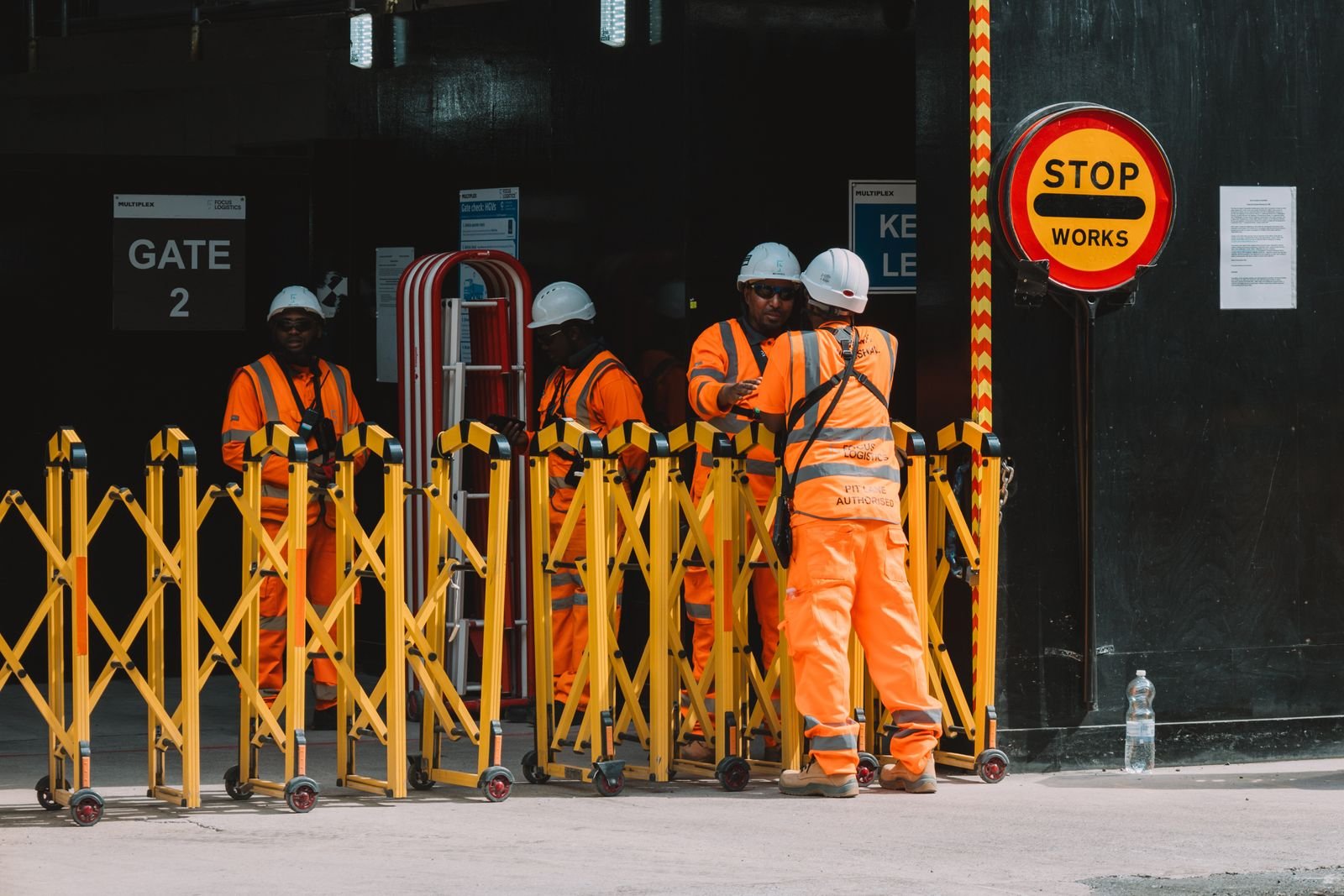
Greater London has a Non-Road Mobile Machinery (NRMM) Low Emission Zone, which sets minimum engine emissions standards for machinery used on many construction sites, with stricter requirements in central areas. Contractors working in London often need newer engines, which keeps demand for compliant compressors strong. Check the current requirements on the London NRMM website, as they tighten over time.
Selling high-hour or non-running compressors
If a compressor has very high hours or doesn’t run, it’s still worth selling. Buyers may repair it, rebuild the engine or airend, or use it for parts. Be clear about any known faults, and the price will reflect them. If it’s truly beyond repair, it has scrap value.
Selling a fleet
Plant hire companies and contractors often sell several compressors at once. A list with makes, models, years, hours and locations lets a buyer price the whole fleet in one go. Batches of the same model are often easier to resell, which can mean a better price per unit.
Your selling options
| Option | Pros | Cons |
|---|---|---|
| Plant auction | Wide audience | Fees, uncertain price, waiting for a sale date |
| Online marketplace | Control over price | Time-wasters, slow, you handle collection |
| Dealer part-exchange | Convenient when buying new | Value often hidden in the new price |
| Specialist buyer | Fast, fixed price, buyer collects | Below private retail price |
If you want it gone quickly with a guaranteed figure, you can sell your diesel compressor to us.
What to send for a quick price
- Serial number or data plate photo
- Hour meter photo
- Photos of all four sides, the chassis and the engine bay
- Whether it starts and builds pressure
- Any known faults
- Where it’s located
Frequently asked questions
How many hours is too many for a diesel compressor?
There’s no fixed limit. Well-maintained compressors from known brands can keep working for many thousands of hours. High hours lower the price, but they don’t stop a unit being sold.
Can I sell a diesel compressor that doesn’t run?
Yes. Non-running units are bought for repair or parts. The price depends on what’s wrong and the model.
Is it better to sell at auction or to a buyer?
Auctions can work for sought-after units, but the price isn’t guaranteed and there are fees. A buyer gives you a fixed price and collects, which is usually quicker.
Do I need to clean the compressor before selling?
It isn’t essential, but clear photos of a clean unit help a buyer assess it and can make the offer easier to agree.
Get a price for your diesel compressor
Send us the model, hours and a few photos. Find out more about how we buy diesel site compressors, or see everything we buy on our we buy any compressors homepage.
Got a compressor that’s beyond repair? Read our guide to scrap compressor prices.